

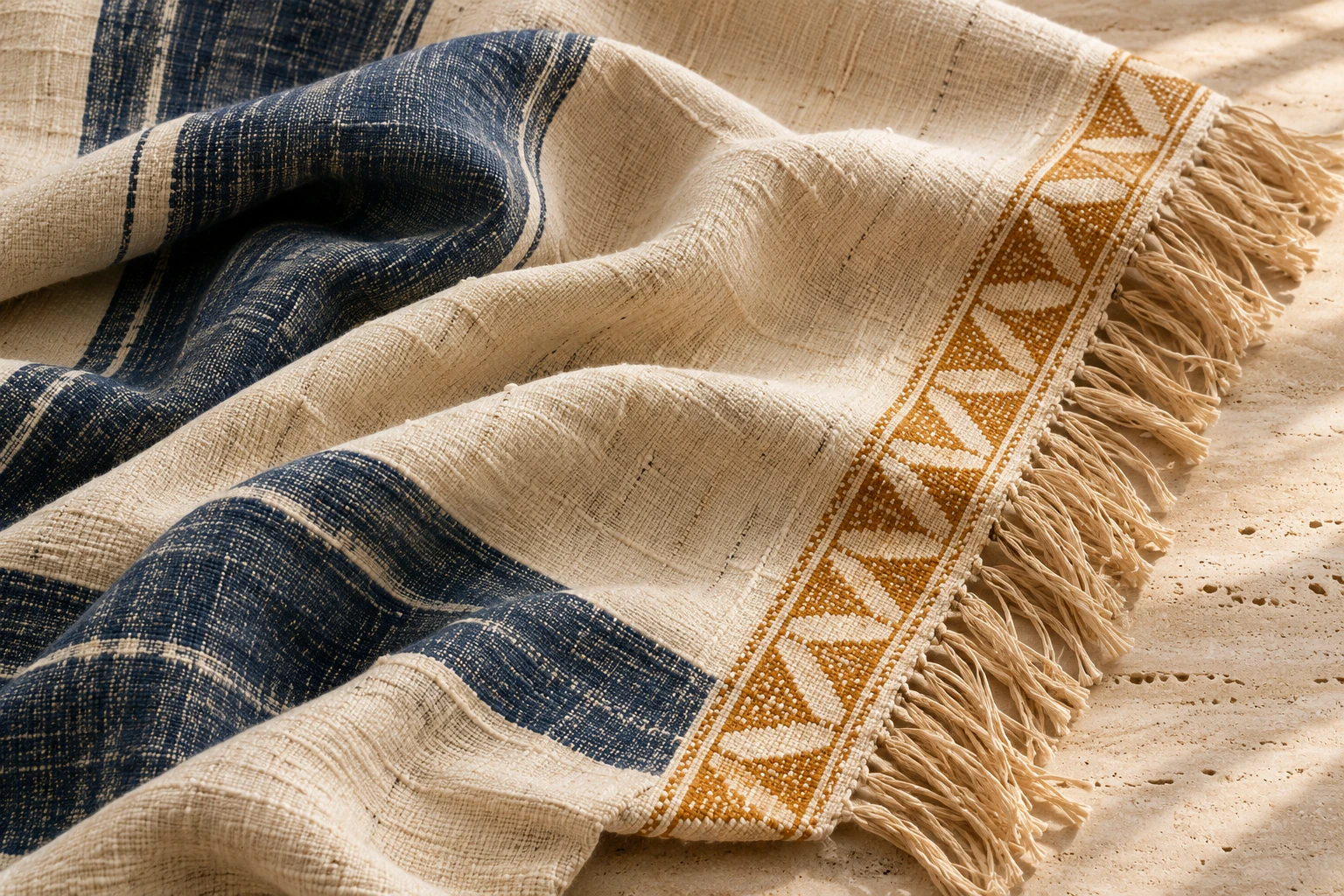
Across cultures and generations, traditional clothing has served as a powerful expression of identity, heritage, and craftsmanship. More than fabric and design, these garments tell stories of history, community, and cultural pride. In addition, they reflect customs that communities have passed down for centuries. This article explores traditional clothing through the techniques, context and cultural knowledge described here.
For over 20 years, Layla, a skilled textile artisan, has dedicated her life to preserving the art of traditional clothing — continuing techniques and designs passed down through generations of makers in her family.
In this way, every stitch, pattern, and garment carries tradition, meaning, and story.
The Beginning of Her Journey — traditional clothing
Layla grew up surrounded by fabrics, embroidery, and handmade garments crafted by her mother and grandmother. From an early age, she watched family members weave textiles, embroider patterns, and create clothing for celebrations, ceremonies, and daily life.
As she learned these techniques herself, she began to understand that traditional clothing was more than fashion—it was a living connection to culture and community.
Over time, childhood curiosity grew into a lifelong dedication to preserving textile heritage.
The Art of Traditional Clothing — traditional clothing
In practice, creating traditional garments requires patience, precision, and deep cultural knowledge.
Layla works with:
- Handwoven and locally sourced textiles
- Traditional embroidery techniques
- Cultural motifs and symbolic patterns
- Natural dyes and decorative embellishments
- Time-honored sewing and finishing methods
As a result, each garment reflects the history, values, and artistic traditions of its community.
As a result, no two handcrafted pieces are exactly alike.
The Making Process
At every stage, traditional clothing production calls for skill and attention to detail.
In practice, Layla’s process includes:
- Selecting and preparing quality fabrics
- Designing patterns inspired by cultural heritage
- Hand-embroidering decorative motifs
- Sewing and assembling garments by hand
- Adding finishing details and traditional embellishments
In addition, every piece reflects care for the authenticity and craftsmanship of the tradition.
Cultural Significance
For generations, traditional clothing has helped communities preserve cultural identity.
For example, people often wear these garments during:
- Weddings and family celebrations
- Religious and cultural ceremonies
- Festivals and community gatherings
- Traditional performances and events
- Important life milestones
Ultimately, traditional clothing represents belonging, pride, and a connection to generations past for Layla.
Challenges & Preservation
Still, traditional garments inspire people around the world even as many artisans face growing challenges.
Layla speaks about:
- Competition from mass-produced fashion
- Declining demand for handmade garments
- Rising costs of materials and labor
- The loss of traditional skills among younger generations
Yet she remains committed to preserving these techniques, ensuring that cultural traditions continue to thrive in a modern world.
Connection to Our Collection
Likewise, each piece inspired by Layla’s craftsmanship reflects a dedication to heritage, artistry, and authenticity.
In this way, your support helps preserve:
- Traditional textile and embroidery techniques
- Cultural heritage and identity
- Ethical and sustainable craftsmanship
- Artisan communities and family livelihoods
- Generational knowledge and skills
👉 Explore handcrafted pieces inspired by traditional clothing
Above all, Layla sees traditional clothing as a way to preserve culture, celebrate identity, and carry generations of stories into the future.
For broader context on traditional craft knowledge as living heritage, see UNESCO’s overview of traditional craftsmanship.